Find a way in.
A dinosaur. A joke. A ridiculous animal. Start with something that makes this child curious.
A small idea. A big-hearted purpose.
What if a device could meet a child right where they are, make them smile, and help them learn to read?
A proposed reading pilot. Built around children, not technology.
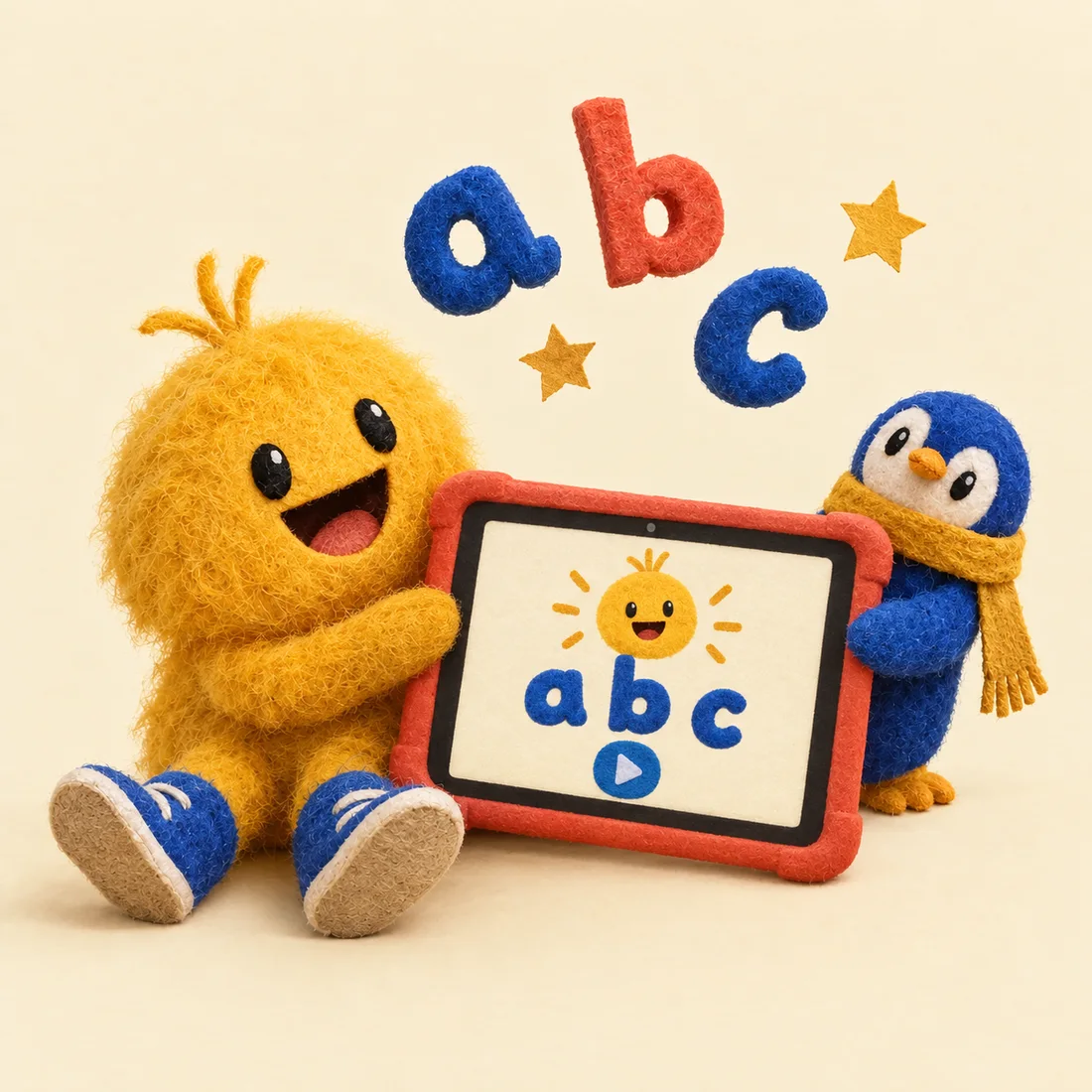
The heart of it
Sometimes a child needs help, and there isn’t a teacher or tutor available. That’s the moment we want to meet.
Wonder Along is an idea for a playful, independent reading tutor. No prompts to write. No menus to figure out. Just a friendly beginning, a little curiosity, and a way forward that feels like theirs.
The device does the tutoring.
The child gets to be a child.
A little play goes a long way
A silly story can become a sound, a word, or a sentence. The idea is to find the right next step without making a child feel tested.
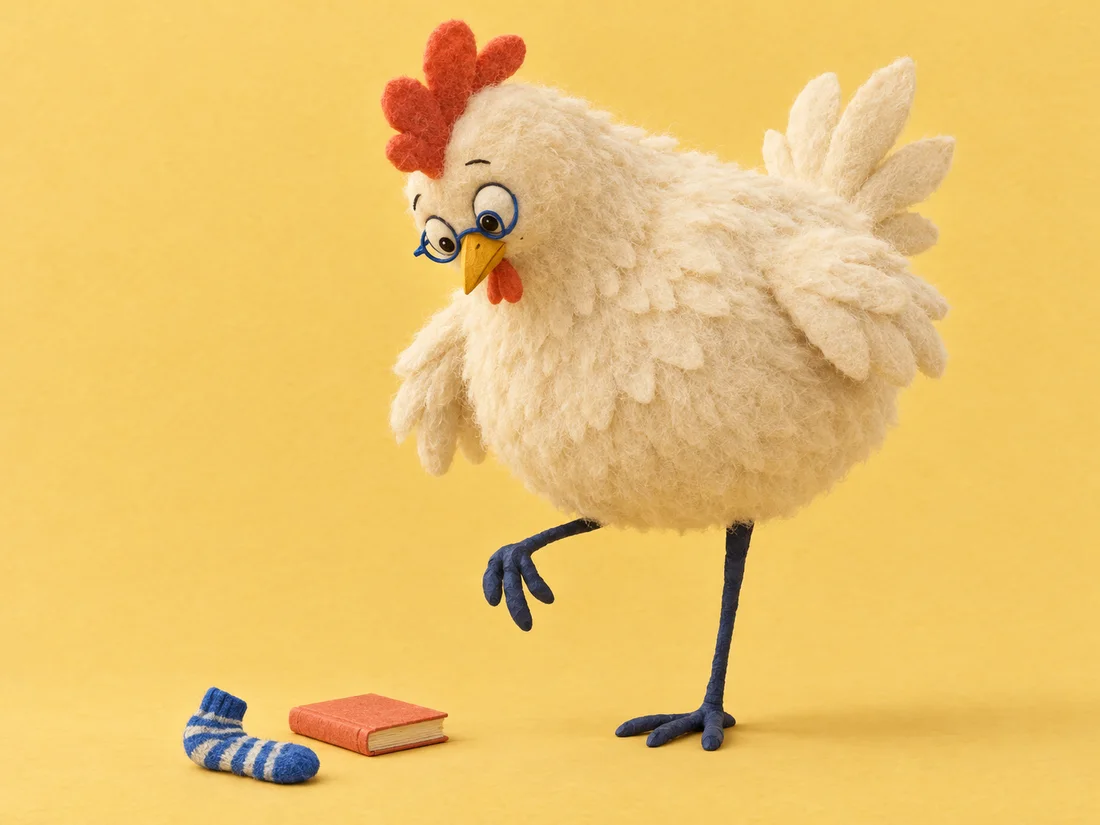
Let’s make something silly
Big feathers. Tiny glasses. Absolutely terrified of…
An illustrative, scripted story preview, not a live AI tutor. No microphone, recording, or assessment.
Their pace. Their possibility.
We want learning to feel less like getting it right and more like finding out what’s possible.
A little confidenceA dinosaur. A joke. A ridiculous animal. Start with something that makes this child curious.
If a word is too hard, try a sound. If an explanation doesn’t click, try another. No shame. No rush.
Build toward a word, a sentence, a story. Small discoveries, with room to laugh along the way.
For older children, too
Wonder Along isn’t only about first words. We also want it to meet older children who are ready to become stronger readers, tackle unfamiliar words, and feel more confident reading aloud.
A story about space. A favorite sport. How a game works. The subject should fit their age and interests, even when the reading support starts with the basics.
Support at their reading level.
Respect for the person they are.
One word. A little more confidence.
confidence
confidence
“I’m building confidence,
one word at a time.”
Illustrative practice moment, not a live assessment.
These are goals to validate in the pilot, with reading experts. The experience should respect accents and speech differences, not treat them as mistakes.
Curiosity, put to good use
We’re bringing people together around AI because we believe it should help us care for people better. Wonder Along is one way we could turn that belief into something a child can hold.
AI enthusiasts of all shapes and sizes have a part to play. First-time explorers, everyday experimenters, creatives, educators, and experienced builders: bring your curiosity and what you can contribute. You don’t have to write code to help make a real difference.
A place for
curious minds.
A purpose
beyond the screen.
The first chapter
Let’s explore a Rotary-sponsored school pilot, shaped with a willing school, reading experts, families, and our local AI community.
Proposed pilot · Partners not yet confirmedThe first question isn’t “How big can this get?”
It’s “Can we make this genuinely useful for a child?”
For the grown-ups
Joy is the invitation. Care is the foundation.
No. The goal is independent tutoring when a teacher is not available, including starting the interaction and choosing what to try next. The school would still provide its normal child-safety arrangements and a way to reach an adult.
The intended experience uses short, playful exchanges to find a comfortable starting point, then adjusts as the child responds. That capability needs to be tested; this is not a formal assessment or a diagnostic tool.
The school would manage the devices, approved software, access, and Wi-Fi. Before a pilot, the team would review family permissions, vendor data practices, voice recording, retention, deletion, and adult-help procedures. School Wi-Fi alone is not a privacy guarantee.
No. Whether you’re just getting curious about AI or building with it every day, there’s a way to help. You could suggest story ideas, test a prototype with sample content, spot confusing interactions, connect a school or sponsor, or help organize the pilot. Technical contributors can help evaluate tools and support devices. Any work with children or student information would follow the school’s approval and safeguarding processes.
Not yet. This is a proposed initiative, not an available product or a confirmed Rotary partnership. The next step is a school-informed pilot design and an evaluation of which tools can actually deliver the experience.
Children should be able to begin without teacher-led instruction, enjoy participating, and receive accurate, useful reading help. We would also check real reading progress with school-approved methods, privacy, accessibility, mistakes, and how much adult support is needed.
A small beginning can matter.
A school to listen. A community to care.
A few people willing to help it begin.